Detroit Soul / Hayley Records
Rob Moss has been a dedicated soul fan since his mid teens with a particular penchant for 1960s and 70s Detroit music. In 2000 after many visits to the Motor City he launched his own Hayley Records label, named after his daughter, and dedicated to issuing previously unreleased Detroit gems on vinyl. To date the label has released 39 singles and one album, and is celebrating its 25th Anniversary in 2025. His present home is in Coventry.’
The involvement of gangsters in the music business, during the 1950s and 60s in payola scandals and the like, is well known. The opportunity to launder ill gotten money by paying cash for all recording, manufacturing and promotional costs and then receiving legitimate payments for record sales must have been heaven sent for some. One of the first to operate in Detroit in this way in the 1960s was a local huckster called Wilbur Golden. Through the contacts he had developed within the Detroit music scene and a fat bankroll, he set up Correc-tone Records in 1962 and assembled an impressive roster of artists that included Wilson Pickett, Theresa Lindsey, Yvonne Vernee, Danny Woods, Timiko (Jones),Gino Washington, Herschell Hunter’s Moments and the Pyramids amongst others.
Wingate’s Gold World
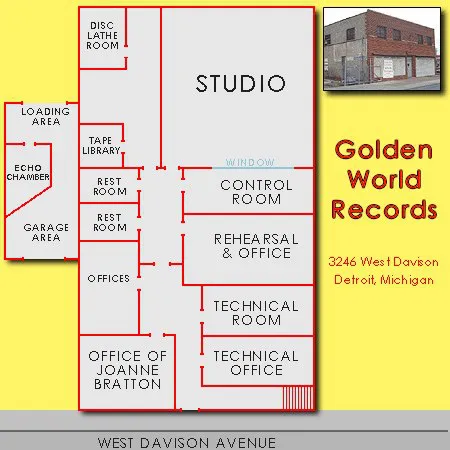
Having invested a significant amount in top flight studio and recording equipment, Golden attracted many of the brightest and best staffers on the local music scene to his operation. ‘Popcorn’ Wylie, Robert Bateman, Don Mancha, Ivy Hunter, Fred Bridges, ‘Sonny’ Sanders, Herman Griffin, William Weatherspoon and Motown writer Janie Bradford, under the pseudonym ‘Nikki Todd’, all contributed to Correc-tone’s productions. According to Robert Bateman one of Motown’s future superstar writing teams almost joined too ‘We were hoping to bring Lamont Dozier in as a producer and the Holland brothers as writers but I blundered and didn’t put them on a salary. Berry (Gordy) must have got wind of it because the next thing I knew was that the Hollands signed for him after he bought them a Cadillac each. Man, things could have been so different. Lamont signed for Motown too.’ Despite having several local hits, the major national breakthrough never came. According to Don Mancha “Wilbur Golden had lost his shirt on Correc-tone. He’d lost his wife, lost contact with his family. Lucky for him, Wingate bought him out. He gave him some money and took the artists’ contracts, equipment, everything, but he wanted a bigger building so he bought the plot on Davison. It’s kinda funny that Wingate called it Golden World ‘cause the ‘Golden’ was actually Wilbur!”
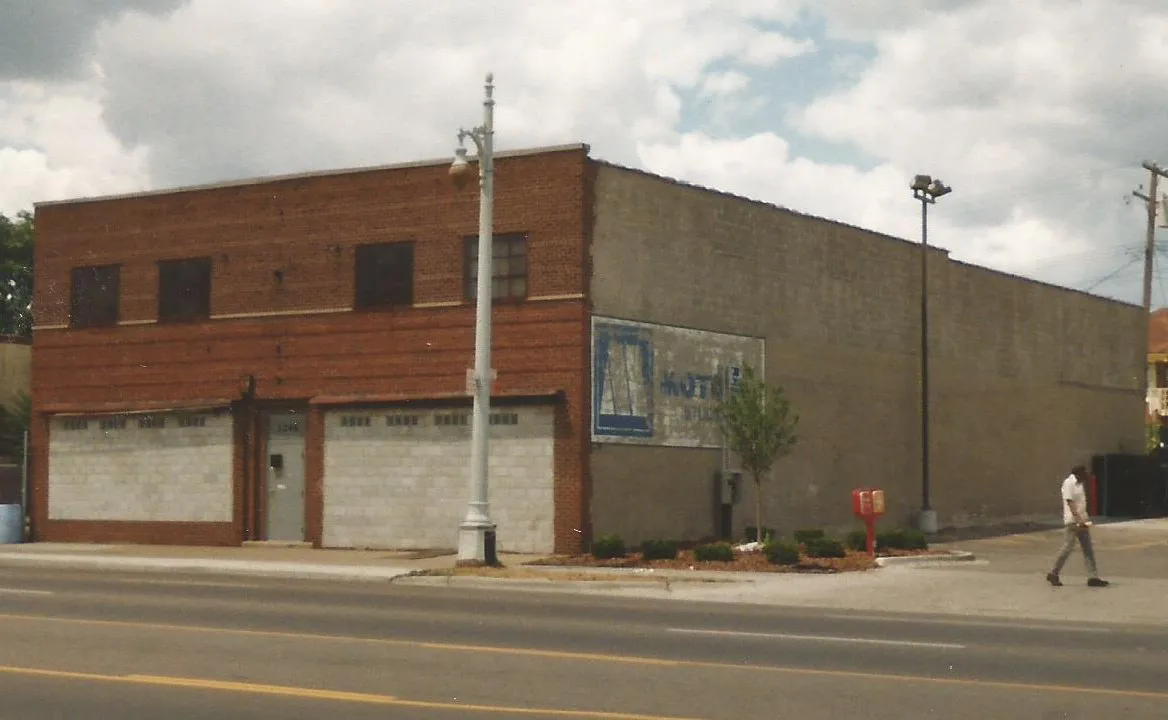
Golden World Records
Ed Wingate was a powerful and well-known presence in Detroit, having dominated control of the ‘numbers’ racket in the black community and making himself a considerable fortune beginning in the late 1950s and into the 1960s and beyond. His interest in the music business was inspired by Bobby ‘Rob Reeco’ Hamilton, whom he had known since the mid-1950s. Hamilton’s brother Eugene explained Reeco’s role ‘Bobby’s dream was to run a music operation that would compete with Motown. Once he’d convinced Wingate to put up the money, he set to finding a suitable site and to building a state-of-the-art recording facility.
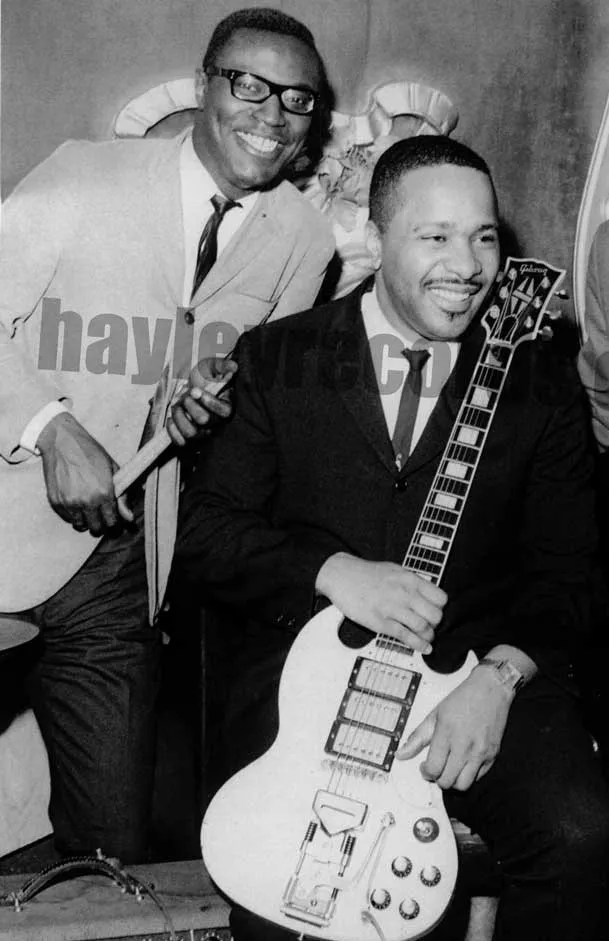
He brought Bob D’Orleans in from New York to build the studio and then brought key people in to staff the operation. People like Don Mancha, ‘Popcorn’ Wylie, Fred Bridges, George McGregor, Don Davis, Hermon Weems, Freddy Gorman were all around in the early days along with me and my other brother Albert (Al Kent).’ In 1964, having equipped the Golden World studio with the very best and most expensive facilities, Bob Hamilton proceeded to bring in Detroit’s finest session musicians and production staff to launch the operation, or as Al Kent put it ‘Golden World was the orphan child launching a new beginning in Detroit’s musical womb.’ With unlimited financial resources and an array of musical talent that could easily rival any of their competitors, there is no doubt that, with skilful management and direction, Hamilton’s dream of matching or even eclipsing Motown’s dominance was possible. The problem that emerged however, was owner Ed Wingate’s management style – a pattern of behaviour that consistently alienated many of the most talented individuals, causing most to leave the organisation eventually and seek pastures anew. Al Kent stated that Wingate ‘…always moved in the way of greed, power and self interest and rarely took prisoners.’ Yet he was generous to a fault on many occasions and recognised a good deal. Whatever the Union pay rate for musicians was, he would pay ten times the amount – in cash. When he was first introduced to a rough demo of ‘Agent double O soul’ by LeBaron Taylor and Bill Doggett he saw the potential, purchased the song at a relatively low rate, recorded it fully at Golden World and signed Edwin Starr to a contract. His experience within the more shady elements of business was evident from the start though. According to Don Mancha ‘All deals with Wingate were verbal … and they were always different. There was no paper trail left behind to establish Golden World as a legitimate record business. No invoices to evoke income taxes. No paper agreements to solidify payments. Cold hard cash only – and lots of it.’
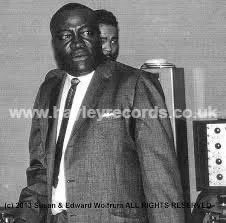
Ed Wingate (front) and Al Kent.
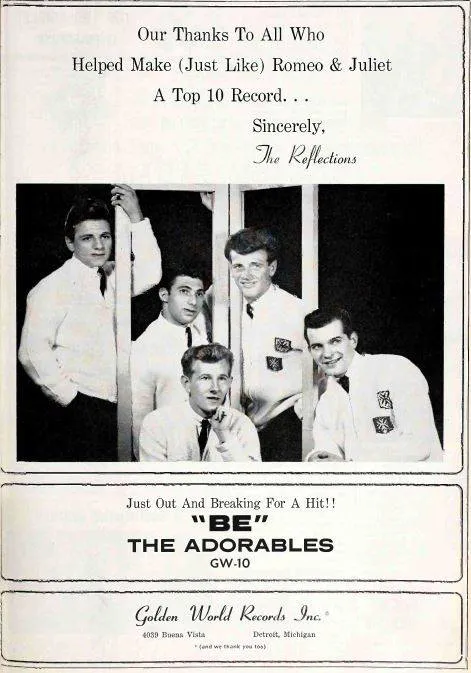
Unlike Berry Gordy, who understood sound business principles and knew the value of delegating defined roles to people and allowing them to perform unconstrained, Ed Wingate took a different approach. He began to become involved in all aspects of the recording process, from song writing, producing, mixing, artist acquisition to hiring decisions. These were all areas he had no particular prior experience or expertise in and brought him into sharp contrast with many of the musical professionals in the studio. According to Hermon Weems he was unpredictable too ‘If he liked a tune, or an artist, one day he might hate it the next. And he didn’t like any advice people would offer. He said that recording R&B was like running a soup kitchen!’ This pattern of behaviour did not always benefit the company. On many occasions he clashed with A&R director Bobby Hamilton about artist recruitment, amongst other things. Hamilton wanted to bring Emanuel Laskey to the company for example but Wingate refused. He wanted to develop Betty (Boo) Winston as a solo artist and give Freddie Gorman a higher profile but Wingate refused. Famed New York producer Luther Dixon, who had brought the Platters to Detroit to record, advised Golden World, through Hamilton, to sign Little Richard and Eartha Kitt, who were both keen to come, but Wingate refused. Bobby Hamilton’s view was simple and direct ‘So many artists. So much talent. So little leadership.’ Wingate’s presence in the recording studio during sessions became difficult for most of the producers too, resulting in several walk outs and some heated confrontations. Prompted by his announcement in the summer of 1965 that ‘I’m gonna have full clout over all the songs we record from now on.’ Wingate became a thorn in the side of many, interfering in the recording process and interjecting in the production directions of many sessions. Perhaps the most disastrous intervention took place after a completed ‘Popcorn’ Wylie session on the Adorables was being played back for final approval. According to sound engineer Ed Wolfrum ‘Mr, Wingate brought all the staff into the control booth to listen to the play back. He started to roll the tape and then stopped at one point to explain a mistake to ‘Popcorn’ and then pressed another button. John Rhys said ‘Err Mister Wingate, you’re pressing the red button.’ Deafening silence. ‘Ah shit.’ Don Mancha yelled loudly.’ That’s the recording button’. Mr, Wingate said ‘Oops’. Angrily ‘Popcorn’ snapped ‘Oops my ass. What you doin’ man. You erased my song. All this work for nothing.’ And then there was a major verbal explosion. Finally I heard Mr. Wingate say ‘Get out before I throw you out’ and ‘Popcorn’ left. Fortunately though for ‘Popcorn’ he bumped into Luther Dixon on the way out who was looking for songs for the Platters. They worked together after that. I thought ‘One door closes…’’ Despite this, from 1964 on, Golden World racked up several big nationwide hits including ‘Just like Romeo and Juliet’ for the Reflections, ‘Oh how happy’ The Shades of Blue, ‘Agent double O soul’ Edwin Starr plus many regional and local hits. The Capitols ‘Cool jerk’ was recorded at Golden World too along with several other of Ollie McLaughlin’s artists including Deon Jackson, Jimmy Delphs and others. Wingate had an agreement with Ollie McLaughlin that he could record for free but that if he liked the finished product on any of his recordings, he could buy the finished master. He never did.
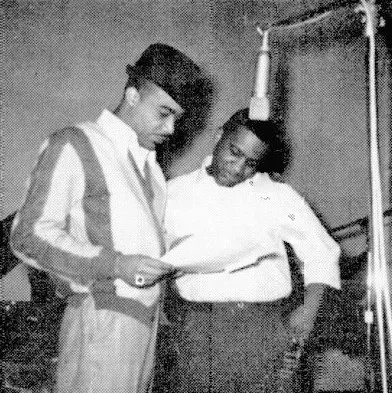
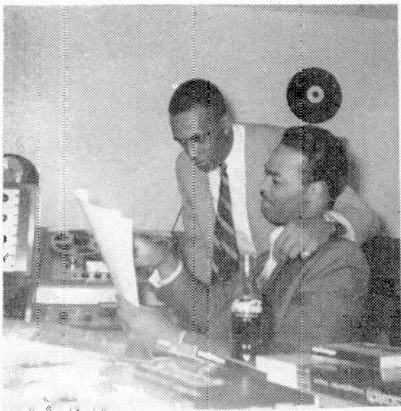
Richard Morris and Al Kent – Andre Williams and JJ Barnes
The assembled talent at Golden World could have easily rivalled Motown and for a short period between1964 and 1966, it did. The success of ‘Agent double O soul’ in 1965, in particular, put their cross-town rivals on notice that bigger things were afoot. Golden World had recruited a truly all-star group of songwriters, arrangers, producers and musicians that included ‘Sonny’ Sanders, ‘Popcorn’ Wylie, John Rhys, Gene Redd, Fred Bridges, Steve Mancha, Don Davis, Ronnie Savoy, Tony Hester, Andre Williams, Rosie McCoy, George Clinton, Gil Askey, Sidney Barnes, Mike Terry, Robert Staunton and Robert Walker, and Don Mancha, not to mention many of the same players that worked for Motown, thus duplicating the so called ‘Detroit Sound’, and a truly glittering array of artists. Groups like the Royal Jokers, the Dramatics, the Detroit Emeralds, the Parliaments, the Debonaires, the Sunliners, the Adorables, the Holidays and the Fantastic Four were a match for any Motown act and the same can be said for the assemblage of solo artists, led by JJ Barnes, Edwin Starr, Willie Kendrick, Rose Battiste, Theresa Lindsey, Barbara Mercer, Juanita Williams, Pat Lewis, Carl Carlton, Tamiko Jones, Laura Lee and others, many of whom eventually ended up at Motown itself or became highly successful acts in their own right. Ed Wingate was wise enough to hire established and accomplished promotion and sales management professionals like Shelly Bergman and Irv Biegel but ‘lost’ them both as a result of his hubristic leadership style. Both ended up successfully working at Motown. Yet, Golden World did attain success in a relatively short period and did create some of Detroit’s best and most memorable music.
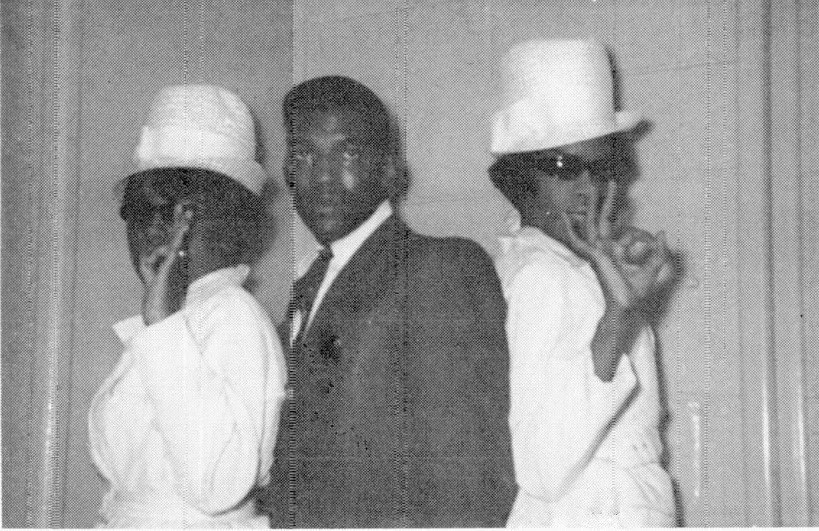
The momentum achieved with the success of ‘Agent double O soul’ elevated Edwin Starr to the very top of the Golden World pile, and gave everyone else at the company the impetus, motivation and belief to achieve and accomplish great things. According to Al Kent ‘His work ethic heated up the company right out of a cold snap. He was just cooking on more burners than most of us. His talent matched his flare and style.’ As well as performing and recording, Edwin Starr provided a hit song for the company that further advanced his value and reputation. ‘Oh how happy’ became the company’s first number one hit in 1966 for local white group the Shades of Blue although it was first recorded by the Prophets, a local black group that featured future Carstairs and Fantastic Four member Cleveland Horne and four others. Although they recorded it first and were promised the release, Edwin wanted a more commercial vocal sound that the Shades of Blue provided. Interesting that the backing vocals were provided by Golden World stalwarts the Holidays and that Bob Babbitt, Dennis Coffey, George McGregor, Jack Brokensha, Eddie Willis and Jack Ashford provided the musical accompaniment. Edwin Starr played chimes. The song has the unique distinction of knocking the Beatles off the number one spot and remaining there for 11 weeks. His renown was enhanced even further with the release of three singles in 1966, ‘Stop her on sight’ (SOS)’, ‘Headline news’ and ‘Backstreet’ which achieved R&B and Pop chart success and exposed him, and the company, to an international market. Yet there was trouble afoot.
‘Stop her on sight’ was written by Al Kent and Richard Morris and recorded at Golden World using key members of Detroit’s premier session musicians – Robert White and Eddie Willis on guitars, Joe Hunter piano, Jack Ashford percussion, ‘Pistol’ Allen drums, Jack Brokensha, vibes, James Jamerson bass and Mike Terry, baritone sax. The Holidays and members of the Meditation Singers, including Laura Lee, were brought in to provide backing vocals, much to the chagrin of the Debonaires who usually provided backing for everyone who recorded there. Yet the recording went well and everyone involved was sure it would be a huge hit. The problem came at the end of the session when Andre Williams approached Wingate claiming that he had written the song. Despite assurances from Kent and Morris that he had not, Williams persisted. Wingate then asked him to explain and demonstrate how he had come up with the song and how he had constructed it, which he could not. Humiliated and embarrassed, Andre Williams stormed out of Golden World, never to return. Wingate later stated that he knew he hadn’t written it but wanted to see how far he would go. The story, however, does not end there. Al Kent and Richard Morris were highly suspicious that Edwin Starr knew of Williams intent and that he could have easily ended the argument at the time but chose not to. Their suspicions were confirmed the following day when Wingate told them that Edwin didn’t want to record the song and that he wanted his voice taken off the tape …unless he received ‘…a small piece of it.’ Al Kent’s response was immediate ‘NO – I’ll find someone else to over dub it. Eddie Anderson has gone solo from the Holidays. He can do it. Edwin Starr assisted Andre Williams to try and steal our song from right under me and Richard’s noses yesterday and now he’s begging and pleading for a percentage. When he takes me on the road with him and lets me open the show then I’ll give him a percentage.’ Wingate then pleaded ‘Do this for me Al. I’ll make it up to you both.’ At which point, for the greater good and against their better judgement, they acquiesced. Richard Morris called Williams and Starr ‘Scathing dogs’ and Edwin Starr ‘That low life’ and left the company not long after. Al Kent stayed and attempted to resurrect his relationship with Edwin Starr despite the friction ‘Edwin Starr has said repeatedly that I was one of the most argumentative persons he’d ever known. He said that just trying to get along with me was next to impossible. But I only argued when I thought I was right.’
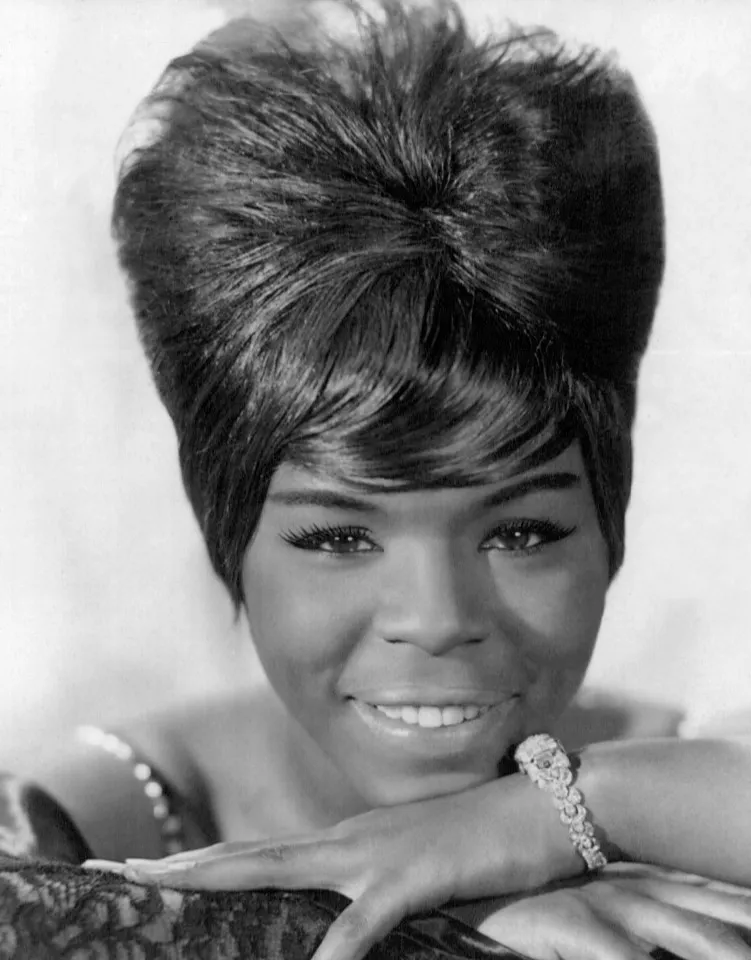
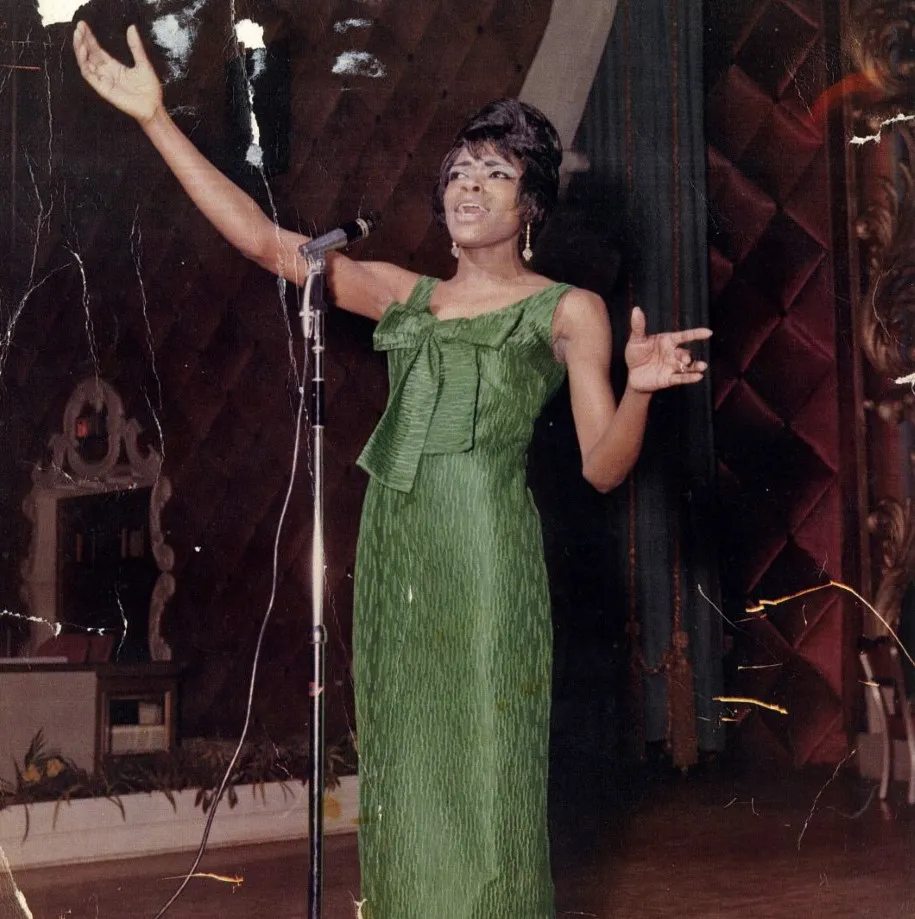
Barbara Mercer
As Golden World’s reputation grew regionally and nationally, the artist roster began to expand. Stalwart performers like J.J. Barnes and Rose Battiste accumulated significant local and regional hits to propel the company forward. ‘Popcorn’ Wylie assembled the Adorables, merging two sets of sisters, Pat and Diane Lewis with Jackie and Betty Winston, a young Carl Carlton joined the ranks, George Clinton and his group, The Parliaments arrived from New Jersey, the Holidays, the Debonaires, the Manhattans and the Dramatics all recorded with varying levels of success, and several greatly talented female singers were added to the troupe.
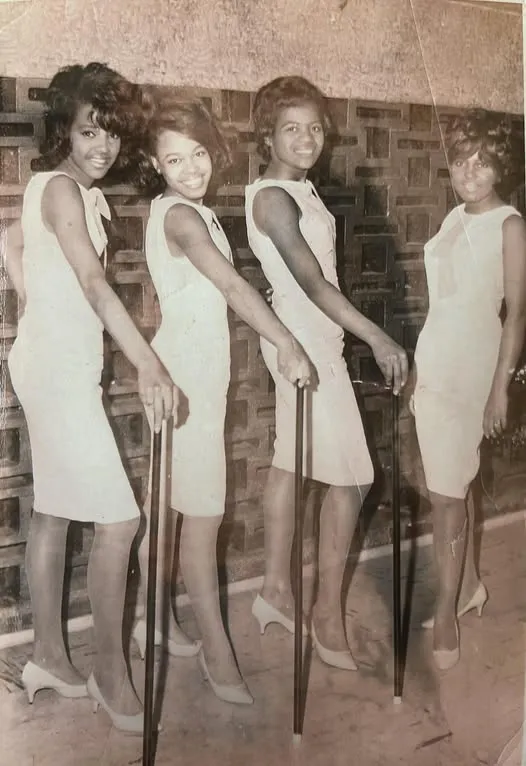
Al Kent focussed on one individual, however. ‘If the Fantastic Four, J.J. Barnes, the Dramatics or Rose Battiste were the energy, soul and voltage of the Golden World sound, then Pat Lewis was the heartbeat that pumped the life blood through the company’s anatomy.’ Her contribution to the running of the studio, the recording preparation of artists and the general atmosphere in the Golden World buildings cannot be overstated. Don Mancha called her ‘Wingate’s head cheerleader’ and he meant it as a sincere compliment. Most of the focus of the female artists was directed toward Barbara Mercer, who Ed Wingate strongly believed would become another Diana Ross. Al Kent agreed describing her as ‘Golden World’s first Empress of song’ and ‘She had a fashion magazine leer with a debutante’s slouch.’ Although her three singles achieved considerable regional and local success, the crucial breakthrough on the National R&B and Pop charts eluded her.
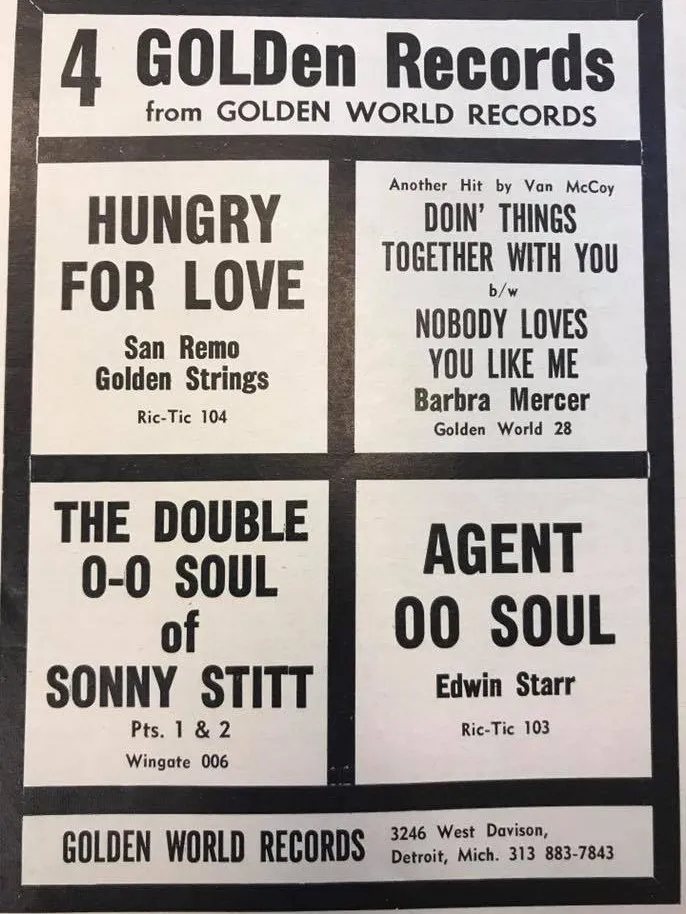
Tamiko Jones, Laura Lee, Juanita Williams, Theresa Lindsey and Pat Lewis also made significant contributions with varying degrees of success. One of the most successful releases during the period from 1965 running into 1966 didn’t feature any vocals at all but spotlighted the studio musicians under the collective term San Remo Golden Strings. Al Kent’s admiration for the highly talented musical artisans informally known as the ‘Funk brothers’ was considerable. ‘This was a collection of the most treasured brothers on earth playing music like an artist brushes his canvas creating a portrait of water colours, counterpoised with broad strokes of rhythmic grace’. Kent’s brother Bobby agreed but focused on bass player James Jamerson’s significance. ’There was no one quite like Jamerson for generating the kind of excitement on the fender bass that could, literally, take over a recording session on his own.’ Although ‘Hungry for love’ came out as an instrumental first, and became an immediate pop hit, it was originally recorded as a backing track for a song called ‘I love the life I lead’ recorded by Tony Michaels (Micale) of the Reflections and subsequently released on Golden World to little commercial acclaim. The initial surprise at the extent and rapidity of the record’s success is partly explained by Al Kent’s explanation of the recording process at Golden World. ‘Our main focus was what we called ‘band tracks’. The groove was the main attraction. Just stick the voice over the ideal music track with a few hand claps and the lead vocal over dubbed without much ‘matching’ the song to the lead singer and that would do.’ Much speculation has surrounded the legitimacy of certain Detroit musicians providing their services to various studios around the city and further afield, whilst playing at Motown. Until Berry Gordy put key players under contracts, all musicians had the right to earn a living whenever and wherever they could. They were free agents not moonlighters, as has been suggested. This came to a head in the Spring of 1966 when Motown A&R director ‘Mickey’ Stevenson made a surprise visit to Golden World and discovered the bulk of the Motown rhythm section, including Earl Van Dyke, James Jamerson, Robert White, Uriel Jones and Eddie Willis, busy working on Ric Tic session. According to Ed Wolfrum ‘Everyone, including Mickey, look surprised when he first walked in but he didn’t say much, just started staring at our equipment. We were a premium facility, and he was overwhelmed by our recording equipment, especially the Scully speakers. We had better gear than Motown! He finally walked out speechless. When Mr. Wingate heard about the visit he immediately set off for Motown. I guess he spoke to Berry Gordy because we never had any problems about the musicians again and Golden World recorded at leisure.’
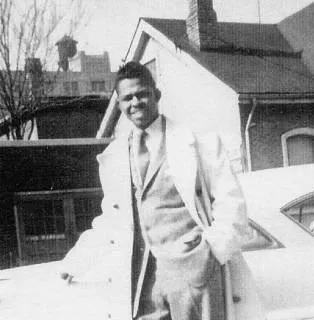
Mickey Stevenson’s visit to Golden World had unforeseen consequences however, as 1966 unfolded. Ed Wingate’s leadership, or lack of it, had accounted for a rapid turnover of talented personnel. Great arrangers like ‘Sonny’ Sanders, ‘Popcorn’ Wylie Gene Redd and Don Davis, talented song writers like Tony Hester, Richard Parker, Ronnie Savoy, George Clinton, Richard Morris, Sidney Barnes and Rosie McCoy had come and gone. Disastrous marketing policies, poor release decisions resulting in potential hits not being available to the market and Wingate’s own fixation on handling everything himself that destabilized operations and negatively affected sales and morale, all contributed to a potential collapse. As Don Mancha remembered ‘The word got out. Everyone knew how rich he was but Wingate’s reputation in the bigger world of music was that he didn’t know much of anything about running a record company.’ Matters came to head in the early summer of the year when the originator of the whole concept, Bobby Hamilton, finally called it quits stating ‘I’m going back to New York. I can’t take all this buffoonery. I can’t follow a goon. I’m sorry but the man is a goon. I did all I could. I don’t see anything left for me with Golden World.’ Suspecting that all was not well, Al Kent arranged a meeting with Ed Wingate to clear the air and plan the future. Despite being consoled and assured that all was well, his usual visit to the studio on West Davison the following morning was very different. As he recalled ‘The night before he stared me in my face and said, ‘The truth is I’ll never sell Golden World.’ Yet in the morning not one parking spot was empty as I pulled up in front of the building. The place was full of faces I hadn’t seen before, and locksmiths were changing locks on the doors. I saw our promotion man Cassablanca huddled with Ollie McLaughlin, Sam Motley and Luther Dixon, all looking shaken. J.J. Barnes walked past me with a solemn face. It seemed like there were lawyers everywhere getting Wingate to sign pieces of paper and then Joanne (Bratton) came over to tell me that the tape library had been pillaged. Master tapes were missing. When Wingate found out he was SO mad. In his own house too. Under his own nose.’ Kent’s shock turned to anger when he fully realised the harsh reality of what had happened. Wingate had sold out to Berry Gordy and Motown. ‘Dammit! At first glance I could tell that Eddie Wingate was a racketeer. I knew it from the beginning. Everyone knew it. A master of shady dealings. But I never suspected this. I regretted the day I stepped foot into the dark and sordid mind of Ed Wingate. I could pound the shit outta him.’
In reality, Gordy had only purchased the Golden World name, studio, back catalogue, and some artists’ contracts but within twelve months he also bought all rights relating to the Ric Tic brand, except the actual name itself, including J.J. Barnes and Edwin Starr’s contracts. Fait accompli.
POST SCRIPT
Although this is essentially the conclusion of the Golden World story, Ed Wingate’s involvement in the music business continued after the sale to Motown when he re launched the Ric Tic label from his own house and began releasing records. This sequel, informally titled ‘The RIC TIC resurrection’ will be available shortly.
Til’ Next Time – Rob Moss
www.hayleyrecords.co.uk